Why varicose veins usually aren't dangerous
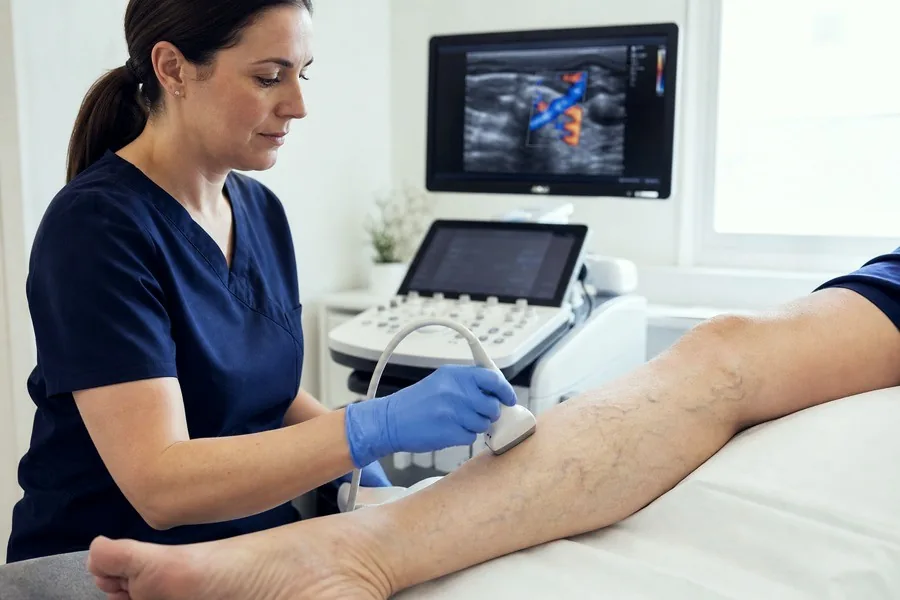
Varicose veins appear when the small valves inside your leg veins stop working as well as they should, so blood pools rather than flowing smoothly back up towards the heart. This is what makes the veins bulge, twist and become visible. It is an extremely common change, particularly as we get older, and on its own it is not a medical emergency.
For many people the main issues are how the veins look and a feeling of heaviness, aching or tiredness in the legs, often worse after a long day on your feet or in warm weather. These symptoms can genuinely affect comfort and confidence, but they are not a sign that something dangerous is happening inside your body. Understanding that distinction is often a relief in itself.
When varicose veins can lead to complications
A smaller number of people do go on to develop complications, usually when veins have been present and untreated for a long time. These can include phlebitis (a tender, red, inflamed vein near the surface), skin changes such as darkening, dryness or eczema around the ankle, bleeding from a knock to a prominent vein, or — less commonly — a venous leg ulcer where the skin breaks down and is slow to heal.
None of this means you are destined for trouble. These changes tend to develop gradually over years, and noticing them early is exactly what allows them to be managed well. If you spot skin discolouration around your ankles, an area of vein that has become hard and sore, or a wound on the lower leg that isn't healing, that is a sensible point to have things looked at rather than waiting and hoping.
Warning signs that need prompt medical attention
Varicose veins themselves rarely cause emergencies, but it is worth knowing the handful of situations where you should seek help quickly so you can act with confidence rather than anxiety. If a varicose vein bleeds heavily, lie down, raise the leg and press firmly on it — if the bleeding won't stop, call 999 or go to A&E.
Separately, if you develop sudden swelling, redness, warmth or significant pain in one leg, particularly in the calf, this can occasionally signal a deep vein thrombosis (a clot in a deeper vein, which is different from a varicose vein) and needs same-day assessment — contact your GP, call NHS 111, or attend A&E. These situations are uncommon, but knowing them means you can relax about the everyday aching and visible veins that, for most people, are simply a nuisance.
How a consultant assessment puts your mind at rest
If you are unsure whether your veins are harmless or worth treating, the clearest step is a proper assessment rather than guessing from a website — and we would always encourage seeing someone in person so your legs can be examined and your specific symptoms discussed. At Bridge House Clinic, an initial vascular consultation is £200, and you can usually be seen the same or the following week rather than waiting months.
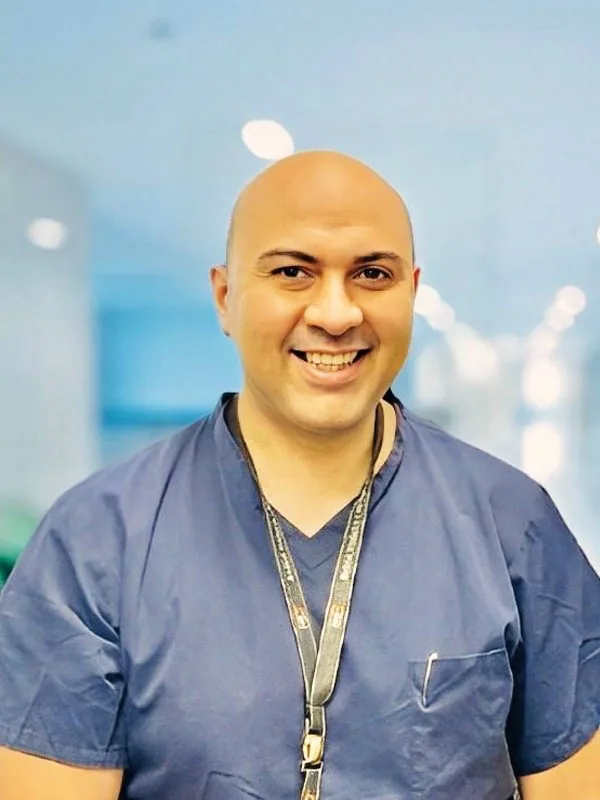
Your consultation is led by Mr Tamer Ghatwary, Consultant Vascular & Endovascular Surgeon, who will take time to explain what is and isn't a concern, talk through your options, and give you honest, transparent pricing upfront. Sometimes the answer is simply reassurance and a few self-care measures; sometimes it is a straightforward treatment plan — either way, you leave knowing where you stand.
Self-care that helps in the meantime
Whether or not you decide on treatment, a few simple habits can ease heaviness and aching and help keep your legs comfortable. None of these will make existing veins disappear, but they can reduce day-to-day symptoms while you decide what's right for you.
If your legs are uncomfortable, try moving regularly rather than standing or sitting still for long stretches, elevating your legs when you rest, and staying active with walking, which uses your calf muscles to help push blood back up the leg. Compression stockings can also help some people feel more comfortable, and these are worth discussing at your appointment so you get the right type and fit.
Common questions
Can varicose veins go away on their own? +
Varicose veins don't usually disappear by themselves, because the underlying vein valves stay weakened. The good news is that they often stay stable for a long time and may not need treatment at all if they aren't bothering you. Self-care such as walking, elevating your legs and compression stockings can ease symptoms, and if you'd like the veins treated or assessed, a consultation can talk you through the options.
Do varicose veins always need treatment? +
No. Many people live comfortably with varicose veins and choose not to treat them, particularly when they are mainly a cosmetic concern. Treatment is worth considering if you have troublesome aching, heaviness or swelling, if you've noticed skin changes around the ankle, or if you simply want them addressed for confidence. A consultant assessment helps you decide what's right for you without any pressure.
What treatments do you offer for varicose veins? +
At Bridge House Clinic, varicose vein treatments are carried out under local anaesthetic. We offer ClariVein (from £2,500) and foam sclerotherapy (£600 / £700). Your consultant, Mr Tamer Ghatwary, will explain which approach suits your veins and confirm the exact cost at your assessment, so the pricing is clear before anything goes ahead.