
Complex Regional Pain Syndrome (CRPS)
A pain condition where one limb hurts far out of proportion to any injury, often with swelling and colour changes — what it is, why it happens, and how a consultant in pain management can help.
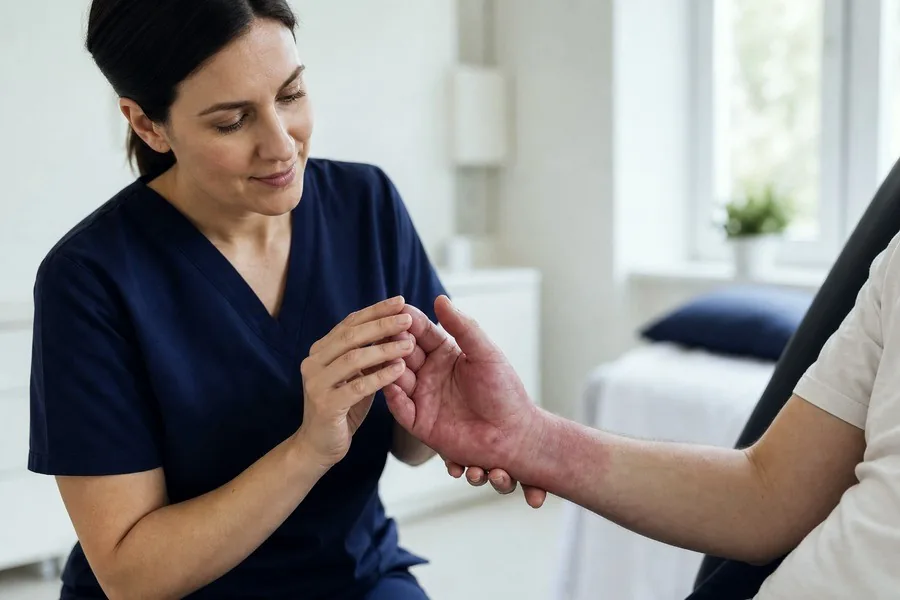
Complex Regional Pain Syndrome is a persistent, often burning pain in one limb that is far more intense — and lasts far longer — than the original injury would explain.
It usually follows a fracture, sprain, surgery or even a minor knock, but the pain spreads and lingers, and the affected hand, arm, foot or leg can change colour, temperature, swelling and even the way the skin and nails grow. CRPS is uncommon and can be distressing, but the earlier it is recognised and treated, the better the outlook — and there are real options to calm the nerve pain and help you use the limb again.
Symptoms of complex regional pain syndrome (crps).
Symptoms are usually confined to one limb and tend to be out of all proportion to the original injury. The picture can change over time and even vary through the day.
Why it happens.
CRPS is thought to arise when the nervous system and the body's response to injury misfire, so pain signalling continues long after healing. It usually has a trigger, though the severity rarely matches it.
Don't wait for it to settle.
Early assessment helps you get the right treatment sooner. See a specialist if:
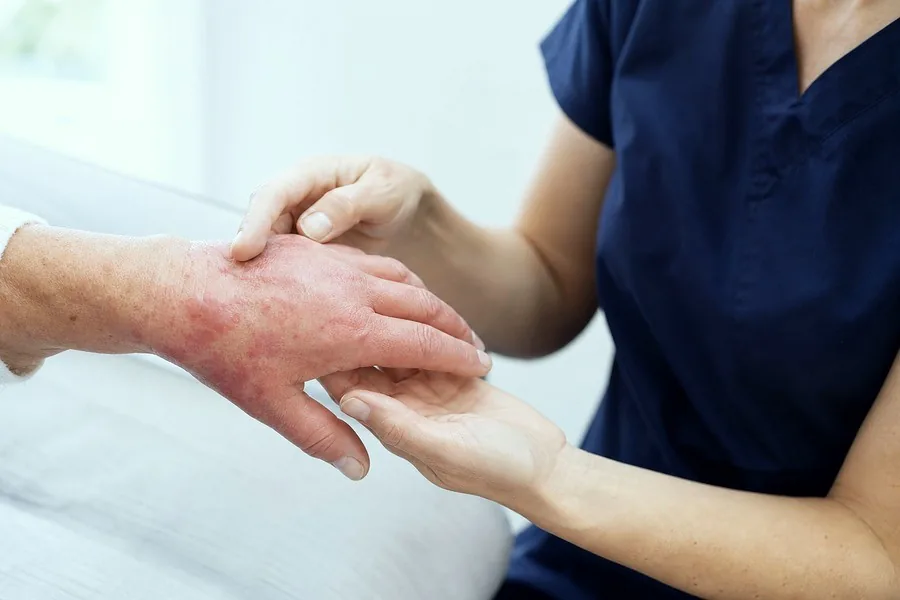

Diagnosed clinically by a pain specialist.
There is no single test for CRPS — it is recognised from the pattern of symptoms and a careful examination. Dr Mohamed Khafaga, Consultant in Anaesthesia & Pain Management, takes a full history of the original injury and how the pain has behaved since, examines the limb for the changes in sensation, colour, temperature and swelling that point to CRPS, and rules out other causes. Any further tests are arranged only when they will change the plan, and he will talk you through what's going on and the options that fit your case.
How complex regional pain syndrome (crps) is treated.
CRPS is treated as a package rather than a single fix — calming the pain, keeping the limb moving and supporting you alongside it. We start with the least invasive option that suits you, and every price is published upfront.
A thorough one-to-one assessment with Dr Khafaga to confirm whether this is CRPS, gauge how active it is, and agree a plan — usually combining pain relief with keeping the limb as mobile as possible. Where it's the right step, treatment can begin in the same visit.
A targeted injection to interrupt the pain signals coming from the affected limb, which can ease the burning pain enough to let you move and rehabilitate it.
A high-strength capsaicin patch applied in clinic to quieten the over-sensitive pain nerves in the skin — an option for the neuropathic, surface burning and touch-sensitivity that CRPS can cause.
For suitable patients with persistent nerve pain, a precise treatment using radiofrequency energy to calm the nerves carrying the pain signal. Whether it's right for you is decided together.
Seen in days — not months on a list.
A named specialist, not a junior — all the way through.
Every price published and confirmed in writing.
Seen privately, without the wait.
We bill major UK insurers directly.
How is CRPS diagnosed if there's no single test for it? +
CRPS is a clinical diagnosis. Dr Khafaga recognises it from the pattern — pain out of proportion to the injury, together with changes in sensation, swelling, colour, temperature, skin, hair or nails — and from examining the limb. Any scans or tests are arranged only to rule out other causes or where they'll genuinely change the plan.
Can a consultation and treatment happen in the same appointment? +
Often, yes. Where it's clinically appropriate, Dr Khafaga can assess you and begin treatment, such as a nerve block, in the same visit. You'd pay for both the consultation and the procedure, and the cost is made clear before anything goes ahead.
What does it cost to be assessed for CRPS? +
An initial consultation with Dr Khafaga is £200. If treatment is the right step, prices are published upfront — a nerve block injection is £450, radiofrequency nerve ablation is £1,100, and a Qutenza capsaicin patch is from £575 — so you'll always know the cost before going ahead.
How do I arrange to be seen, and do I need a letter from my GP? +
You can book directly with the clinic — you don't have to wait for a GP letter to arrange your appointment. If you already have notes, imaging or letters about the original injury, bringing them along helps Dr Khafaga build the fullest picture.
Will my CRPS get better? +
Many people improve, particularly when CRPS is recognised and treated early, though it can be a long-term condition for some. The aim is to calm the pain, keep the limb moving and protect its function — and Dr Khafaga will be honest with you about what to expect in your case.
Don't put up with it.
Book an assessment with a consultant and get a clear picture — and a plan.