
PCOS (Polycystic Ovary Syndrome) — Symptoms, Tests & Treatment
Irregular periods, unwanted hair, acne or difficulty getting pregnant can all point to polycystic ovary syndrome. What PCOS is, how it's diagnosed, and the treatments that help.
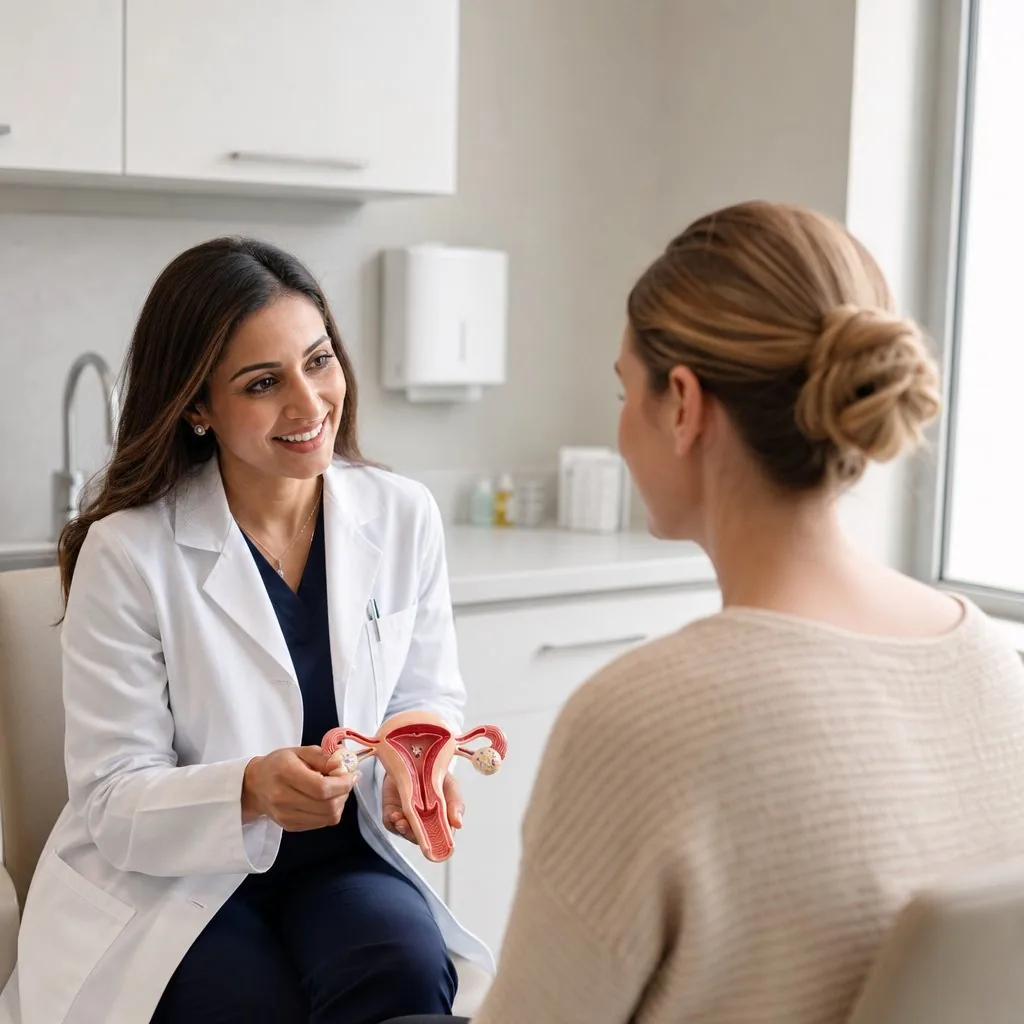
Polycystic ovary syndrome (PCOS) is a common hormonal condition in which the ovaries don't release an egg regularly and the body makes more androgen ('male-type' hormone) than usual.
Despite the name, PCOS isn't about true cysts — the 'cysts' are small follicles that haven't matured. It affects periods, skin, hair, weight and fertility to different degrees in different women, and it's a long-term condition that can be managed well once it's recognised.
Symptoms of pcos.
Symptoms often start in the late teens or early twenties, and not everyone has all of them.
Why it happens.
The exact cause isn't known, but PCOS tends to run in families and is closely tied to how the body handles insulin.
Don't wait for it to settle.
Early assessment helps you get the right treatment sooner. See a specialist if:

Diagnosed with blood tests and, often, a scan.
There's no single test for PCOS. It's usually diagnosed when at least two of three features are present: irregular or absent ovulation, signs or blood-test evidence of raised androgens, and polycystic-looking ovaries on an ultrasound scan — once other causes have been ruled out. Mr Mehasseb reviews your history, arranges the right hormone blood tests and a scan where needed, and explains what the results mean.
Hormone blood tests at the clinic →How pcos is treated.
Treatment is shaped around what matters most to you — periods, skin and hair, or fertility.
Diagnosis, a plan for your symptoms and advice on long-term health, including blood sugar and heart risk.
A blood panel covering oestradiol, FSH, LH, progesterone, prolactin, testosterone and SHBG, taken by our nurses.
Blood sugar and HbA1c, as PCOS raises the risk of type 2 diabetes.
Medicines to regulate periods, protect the womb lining, reduce excess hair and acne, or support ovulation — chosen with you at your consultation.
PCOS assessed by Mr Mehasseb, MRCOG, rather than a general appointment.
Hormone and blood-sugar panels taken by our nurses at the clinic.
Periods, skin, hair or fertility — the plan follows what you want to change.
Advice on diabetes and heart risk, not just the symptoms in front of you.
No GP letter is needed to be seen.
What is PCOS? +
Polycystic ovary syndrome is a hormonal condition affecting how the ovaries work. Ovulation happens irregularly or not at all, androgen levels tend to be higher than usual, and the ovaries may contain many small, immature follicles. It's one of the most common hormone conditions in women of reproductive age.
What causes PCOS? +
The cause isn't fully understood. It runs in families, and many women with PCOS have insulin resistance — the body needs more insulin to keep blood sugar normal, and high insulin levels push the ovaries to make more androgen. Extra weight can make the hormonal pattern worse, but slim women can have PCOS too.
How is PCOS diagnosed? +
There's no single test. Diagnosis rests on at least two of: irregular or absent periods, raised androgens on a blood test or visible signs such as excess hair or acne, and polycystic ovaries on an ultrasound scan — after other causes such as thyroid problems have been excluded.
Can you have PCOS and regular periods? +
Yes, it's possible. Some women with PCOS have fairly regular cycles but still have raised androgens and polycystic-looking ovaries. Irregular periods are common, but they aren't essential for the diagnosis.
Can you get pregnant with PCOS? +
Many women with PCOS conceive naturally, though it may take longer because ovulation is irregular. Losing a little weight if you're overweight can restore ovulation, and medicines that stimulate ovulation are an option. Mr Mehasseb can advise and, if needed, talk through referral to a fertility service.
Can PCOS be cured? +
There's no permanent cure, but symptoms can be controlled well. A healthy weight, regular activity and the right medicines help periods, skin and hair, and keeping an eye on blood sugar and cholesterol protects your long-term health.
Don't put up with it.
Book an assessment with a consultant and get a clear picture — and a plan.