
A private pain clinic near Chester, in Rossett.
Back, joint and nerve pain assessed by a consultant in pain medicine — with joint injections, nerve blocks and radiofrequency treatment in Rossett, a short drive from Chester.
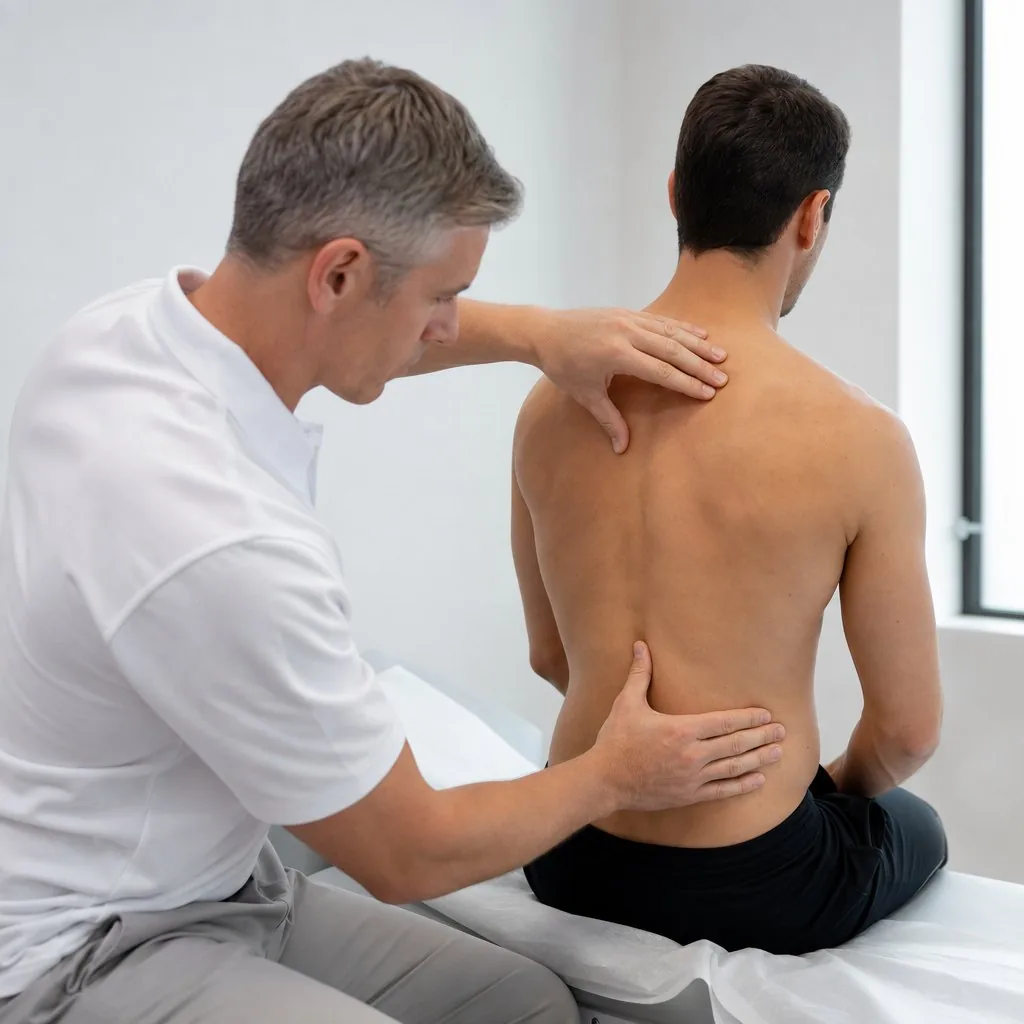
consultation
injection
nerve ablation
Countess of Chester
Long-term pain wears down sleep, work and mood. Dr Mohamed Khafaga, who leads acute pain services at the Countess of Chester Hospital, works out where your pain is coming from and, where an injection is the right tool, can often assess you and give it at the same visit.
Our Rossett clinic (Station Road, LL12 0HE) has step-free access and free parking, and is easy to reach from Chester.
Consultation and injection fees.
Full details and every price are on the pain management service page.
A full assessment of your pain, its likely source and the treatment options with Dr Khafaga.
An injection into the knee joint to settle pain and inflammation.
Local anaesthetic and anti-inflammatory medicine placed around a nerve to calm pain such as sciatica.
Heat applied to a small nerve to interrupt pain signals for longer-lasting relief.
Easy to reach from across the region.
Patients reach us from Chester and Saltney, from Wrexham and from across Flintshire and the Wirral — Rossett is between Chester and Wrexham, just off the A483.
Why local patients choose us.

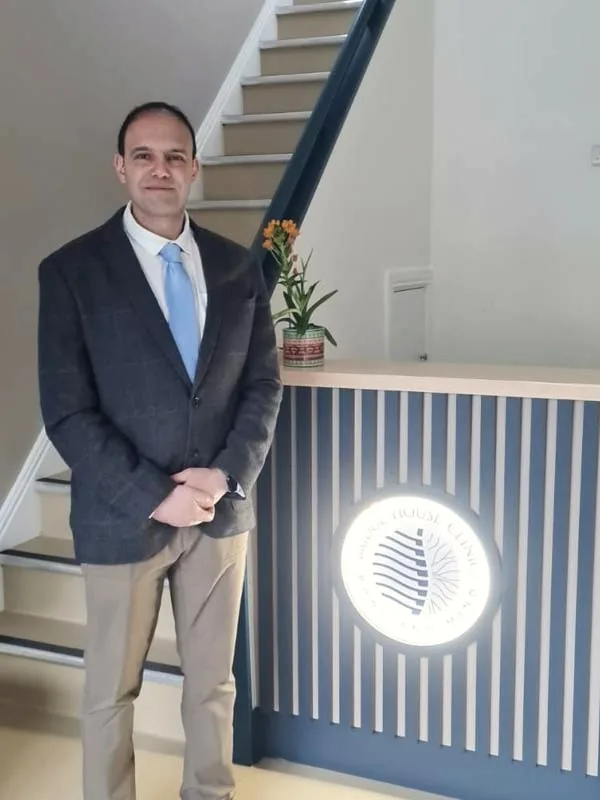
Dr Mohamed Khafaga
Consultant in Anaesthesia & Pain Management · GMC 7517396
What happens at a pain clinic? +
A pain clinic looks at pain that hasn't settled with the usual treatments. Dr Khafaga takes a detailed history, examines you and works out the most likely source — a joint, a nerve or a muscle — then explains the options, which may include an injection, a change in medication or a referral for physiotherapy.
How much is a joint injection? +
Fees depend on the joint: one knee costs £850 and one ankle £600. A nerve block is £450 and a trigger point injection £400. The consultation is £200; fees for other joints are confirmed at your consultation.
How long does a joint injection last? +
It varies from person to person and with the joint treated. Many people feel the benefit within days, and relief can last for several weeks to a few months. The aim is often to give you a window to get moving and make the most of physiotherapy.
Do I need to rest after a joint injection? +
It's sensible to take it easy for a day or two and avoid strenuous use of the injected joint, but you don't need bed rest. Dr Khafaga will give you aftercare advice for your specific injection.
How many joint injections can I have? +
Injections into the same joint are usually spaced out — commonly a few months apart — and limited in number, because repeated injections can affect the tissues around the joint. Dr Khafaga will discuss what's sensible for you.
Can I drive after an injection? +
After some injections, especially nerve blocks that can leave a limb numb for a few hours, you shouldn't drive. We'll tell you beforehand, so you can arrange a lift if you need one.
Get your pain assessed.
A consultant pain specialist near Chester, with every injection fee shown before you book.