What is an expert witness?
In a court case, most witnesses can only describe what they saw or did. An expert witness is different: they are permitted to give an opinion, because the court needs specialist knowledge it does not have itself. In a personal injury or clinical negligence claim, that knowledge is usually medical, and the expert explains what the evidence shows about an injury, its cause and its likely course.
A simple expert witness definition is someone whose training and experience allow them to help the court understand technical matters, and who is instructed to do exactly that. They are not a witness to the events. Their value lies in being independent, careful about the limits of what they know, and clear about the reasons for each conclusion.
The role of a medical expert witness in court
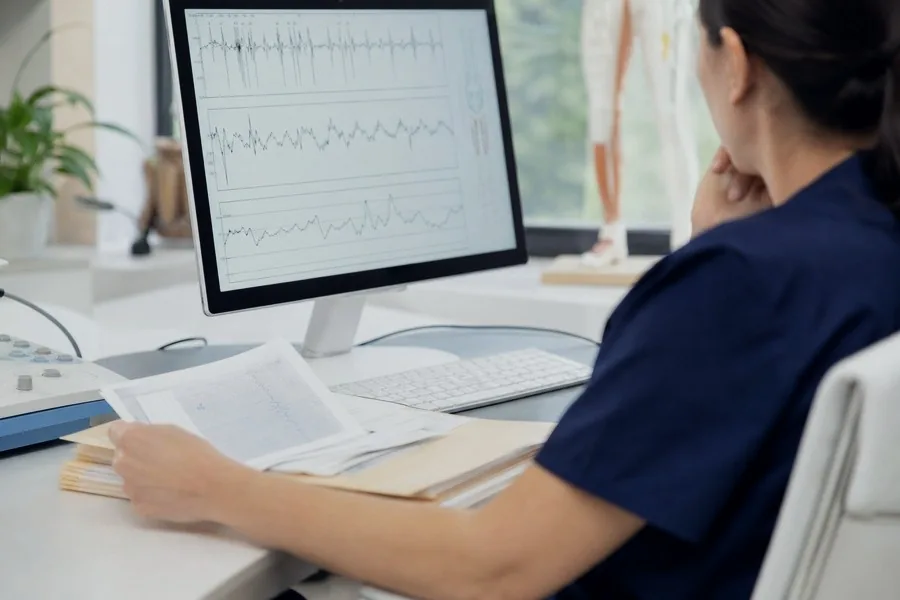
Most medical expert work happens on paper. The expert writes a report, answers written questions about it, and may discuss the issues with the expert instructed by the other side. Many claims settle without a trial, so the report itself often carries the most weight.
If a case does reach a hearing, the medical expert witness may be asked to attend, explain their opinion and be questioned on it. The judge then decides what weight to give the evidence. The expert does not decide the case, does not advocate for either party and does not comment on legal questions such as liability or the amount of compensation.
The duty to the court under CPR Part 35
In England and Wales, expert evidence in civil claims is governed by Part 35 of the Civil Procedure Rules and its Practice Direction. The central principle is that an expert's overriding duty is to help the court on matters within their expertise. That duty overrides any obligation to the person who instructs or pays them.
In practice this means the opinion should be the same whichever side asks for it. The expert sets out the facts and assumptions relied on, says where an issue falls outside their expertise, gives a range of opinion where reasonable experts could differ, and changes their view if new evidence warrants it. The report ends with a statement of truth and a declaration that the expert understands and has complied with this duty.
Experts can be instructed by the claimant, by the defendant, or jointly by both as a single joint expert. Dr Arvin Rodrigues accepts instructions from claimants and defendants, and approaches each one in the same way.
Neurologist or neurophysiologist: which expert?
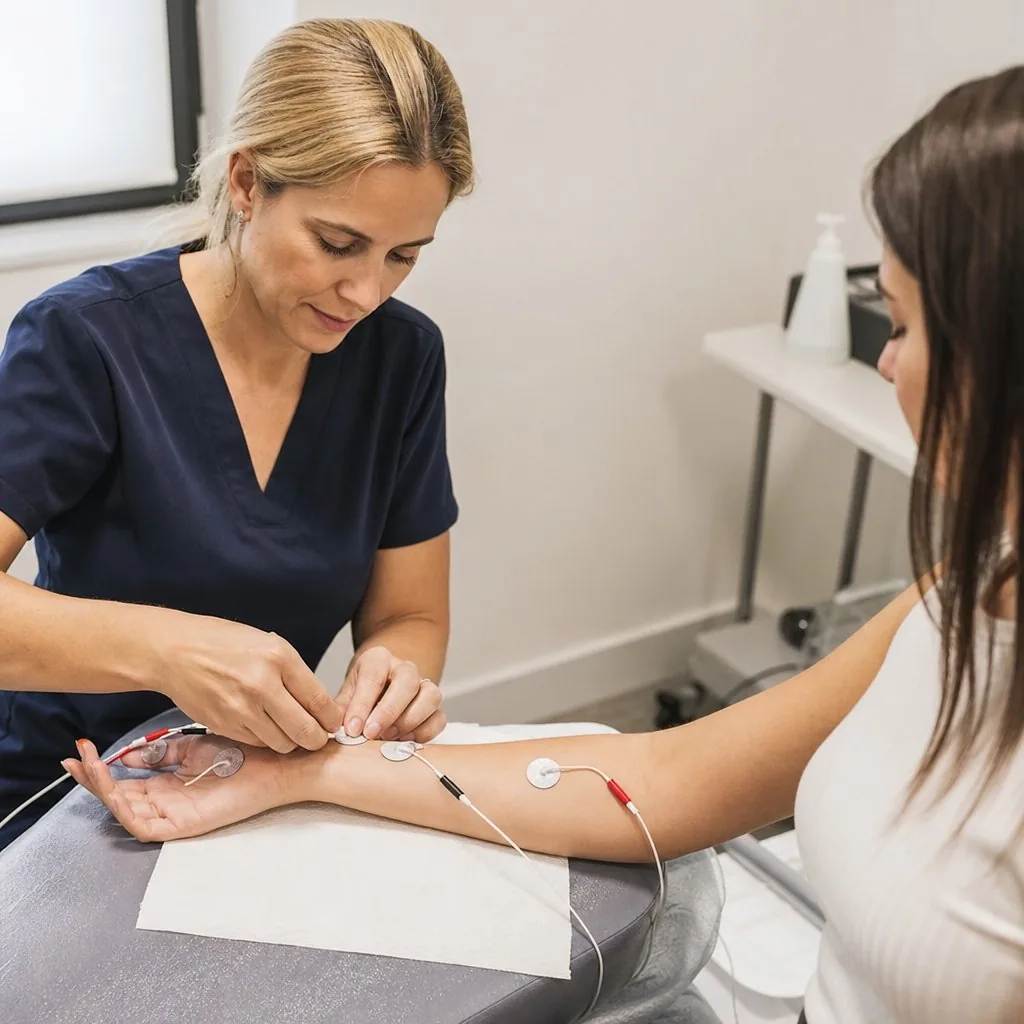
The two roles overlap but are not the same. A neurologist diagnoses and manages diseases of the brain, spinal cord, nerves and muscles. A clinical neurophysiologist specialises in measuring how the nervous system is working, through tests such as nerve conduction studies, EMG and EEG, and in interpreting those results.
A neurophysiology expert is usually the right choice when the question is about nerve or muscle function: whether a nerve has been injured, where and how badly. A neurology expert witness is usually better placed for questions about diagnosis and long-term management of neurological disease. In some cases both are needed, each answering their own part. Bridge House Clinic does not have a neurologist, so where neurology evidence is also required it would be obtained separately.
What the work involves, from records to court
A typical instruction follows a recognisable sequence, although the court's directions set the timetable and not every step happens in every case. What stays constant is that the opinion rests on the documents, the examination and the measurements, and the report explains how each was weighed.
Medical expert witness work at Bridge House Clinic
Dr Arvin Rodrigues is a Consultant Clinical Neurophysiologist (GMC 6079103) who has written medico-legal reports for 15 years and prepares around 30–40 a year, in personal injury and clinical negligence, for claimants and defendants. The claimant is examined and tested by the same consultant who writes the report, at the clinic in Rossett near Chester, and the report usually follows within 6–8 weeks of the appointment.
This article is general information about the role of an expert, not legal advice and not a diagnosis. Questions about a particular claim belong with your solicitor. If you are a claimant with new or worsening symptoms, see your GP or call NHS 111, and call 999 for sudden weakness or numbness of the face, arm or leg, slurred speech or confusion, which can be signs of a stroke.
Common questions
Whats an expert witness, in one sentence? +
It is a specialist who gives the court an independent opinion on questions that need expert knowledge, rather than describing events they saw.
What is a qualified expert witness? +
There is no single licence. Courts look for genuine expertise in the relevant field, usually shown by specialist registration, current practice and experience, together with an understanding of the duties under Part 35. Many experts also complete formal expert witness training.
How does medical expert witness work in the UK differ from treating a patient? +
The expert does not take on the claimant as a patient or provide treatment. The purpose of the examination and tests is to answer the questions in the instructions, and the findings go into a report for the court.
Does Dr Rodrigues act for claimants or defendants? +
Both, and as a single joint expert where the parties agree. The approach and the standard of the report are the same in every case.
Will the expert say whether the claim should succeed? +
No. The expert gives a medical opinion within neurophysiology. Liability, the value of a claim and other legal questions are for the parties' lawyers and the court.